Gelatin And Baking Soda Weight Loss: Two Viral Recipes Compared

Medical Disclaimer
This article is for informational purposes only and does not constitute medical advice. Always consult with a qualified healthcare provider before making changes to your health regimen, especially if you have underlying health conditions.

FULL RECIPE HERE:
FULL RECIPE HERE:
Exploring the Baking Soda & Lemon Drink Trend
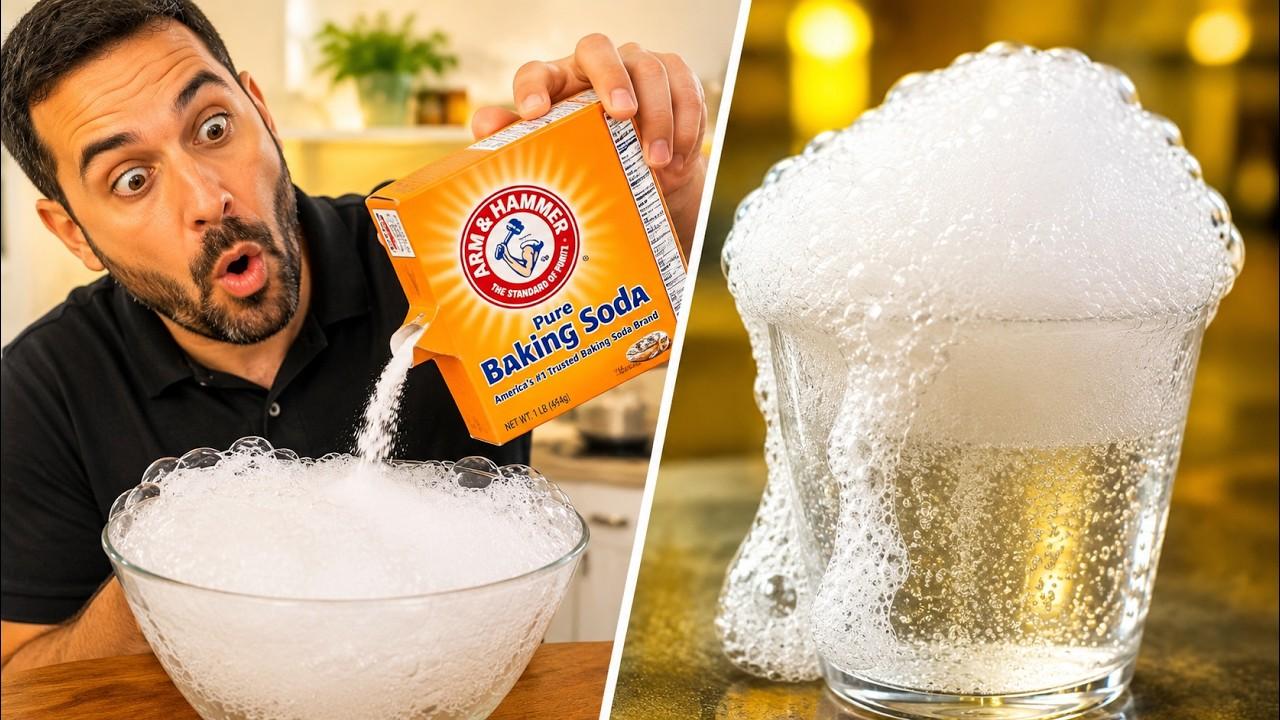
In recent years, social media has featured a variety of simple homemade recipes and lifestyle trends. One drink that has appeared in many posts and videos combines water, a small amount of baking soda, and sometimes lemon juice or lemon slices for flavor.
The recipe commonly shared online is straightforward: a small amount of baking soda is mixed into water and stirred until dissolved. Some people add lemon to create a citrus flavor or to enhance the drink’s appearance.
Baking soda, also known as sodium bicarbonate, is a common household ingredient often used in cooking and baking. Lemon is a popular ingredient in beverages and recipes because of its tart, refreshing taste.
Many creators feature this drink as part of broader lifestyle, kitchen, or routine-related content. Its popularity online is often linked to its simplicity, minimal ingredients, and ease of preparation.
Different versions of the drink can be found across social media. Some people use cold water and ice, while others prefer warm water or fresh lemon slices. These variations are typically based on personal preference.

Sean Thompson, MS, MPH, RD, LDN
Registered Dietitian, Nourish
“Based preloads can be a practical tool for bariatric patients who struggle with portion control,” says Sean Thompson, a Northampton-based dietitian with a 4.99-star rating across 385+ reviews. “But I always tell clients: the foundation is still protein-first meals and mindful eating. Think of the gelatin trick as training wheels, not the whole bike. And if you have kidney concerns, check with your doctor — excessive gelatin can be protein overkill.”
Sean specializes in accessible, evidence-based nutrition for individuals with disabilities and those navigating post-surgical diets. She holds dual master's degrees from Tufts University and approaches care without a weight-centric lens.
