Honey Trick Recipe Easy: Simple Version with Three Ingredients


Medical Disclaimer
This article is for informational purposes only and does not constitute medical advice. Always consult with a qualified healthcare provider before making changes to your health regimen, especially if you have underlying health conditions.

Most men over 50 walk past it in their kitchen every single morning. It costs less than five dollars, has been used medicinally for thousands of years, and when taken in a very specific way at a very specific time, it directly supports the two biological systems behind your sexual performance, energy, and nighttime recovery. The problem is almost every man is using it wrong — or not at all.
In this video:
Why nitric oxide decline after 50 is one of the primary drivers of erectile weakness
The liver glycogen mechanism most doctors never explain — and why it wrecks your sleep and testosterone
The exact type of honey that actually works (and why most store-bought honey does nothing)
The four mistakes that prevent men from getting any benefit
The precise dose, timing, and routine to follow starting tonight
️ Medical Disclaimer: This content is for educational purposes only and does not constitute medical advice. Always consult a licensed healthcare provider before making changes to your health regimen.
Sources & further reading:
→ To be added after production
TIMESTAMPS:
0:00 Introduction
To be completed after production
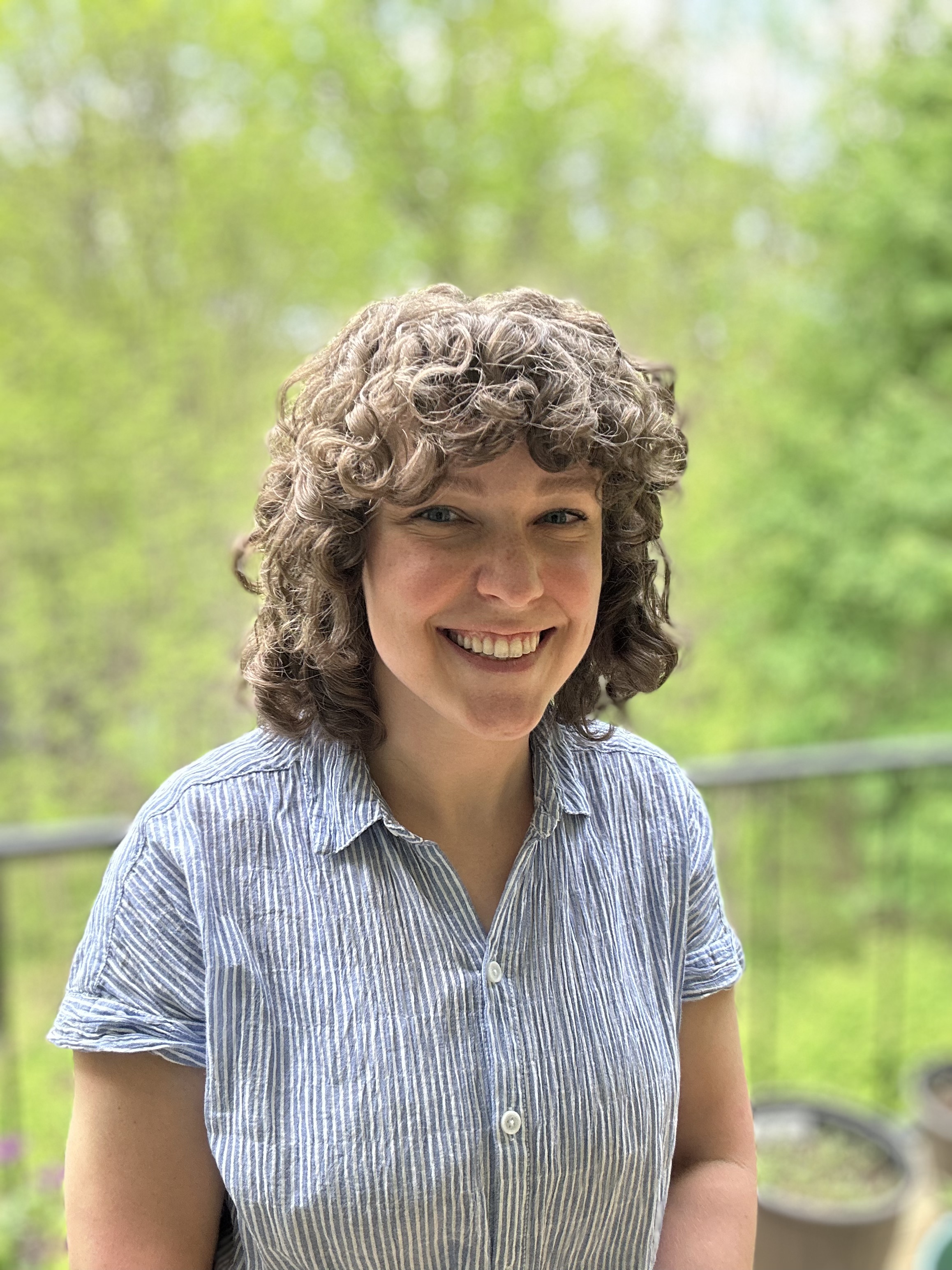
Sean Thompson, MS, MPH, RD, LDN
Registered Dietitian, Nourish
“Based preloads can be a practical tool for bariatric patients who struggle with portion control,” says Sean Thompson, a Northampton-based dietitian with a 4.99-star rating across 385+ reviews. “But I always tell clients: the foundation is still protein-first meals and mindful eating. Think of the gelatin trick as training wheels, not the whole bike. And if you have kidney concerns, check with your doctor — excessive gelatin can be protein overkill.”
Sean specializes in accessible, evidence-based nutrition for individuals with disabilities and those navigating post-surgical diets. She holds dual master's degrees from Tufts University and approaches care without a weight-centric lens.
