Honey Trick Recipe Site: Best Resources and Trusted Information

Medical Disclaimer
This article is for informational purposes only and does not constitute medical advice. Always consult with a qualified healthcare provider before making changes to your health regimen, especially if you have underlying health conditions.

Discover the powerful honey trick that many men over 50 are starting to talk about. In this video, we explore a simple nighttime habit that may support overall wellness, energy levels, relaxation, and daily vitality. Honey has been used for centuries in traditional routines, and many people believe it offers natural benefits when included as part of a healthy lifestyle. Could this simple method become part of your evening routine? Watch until the end to understand why this topic is gaining attention online and why so many people are curious about its potential benefits. If you enjoy health tips, wellness insights, men’s lifestyle content, and natural remedy discussions, make sure to like, subscribe, and turn on notifications so you never miss our latest videos. Share your thoughts and experiences in the comments below.
Disclaimer:
This video is AI-generated, including all visuals and voiceovers. This is an independent channel dedicated to educating our audience. If anyone is inspired by our content to take a specific stand or action, we strongly recommend consulting with a professional or expert first.
#HoneyTrick #MensHealth #HealthTips #NaturalRemedies #Over50Health
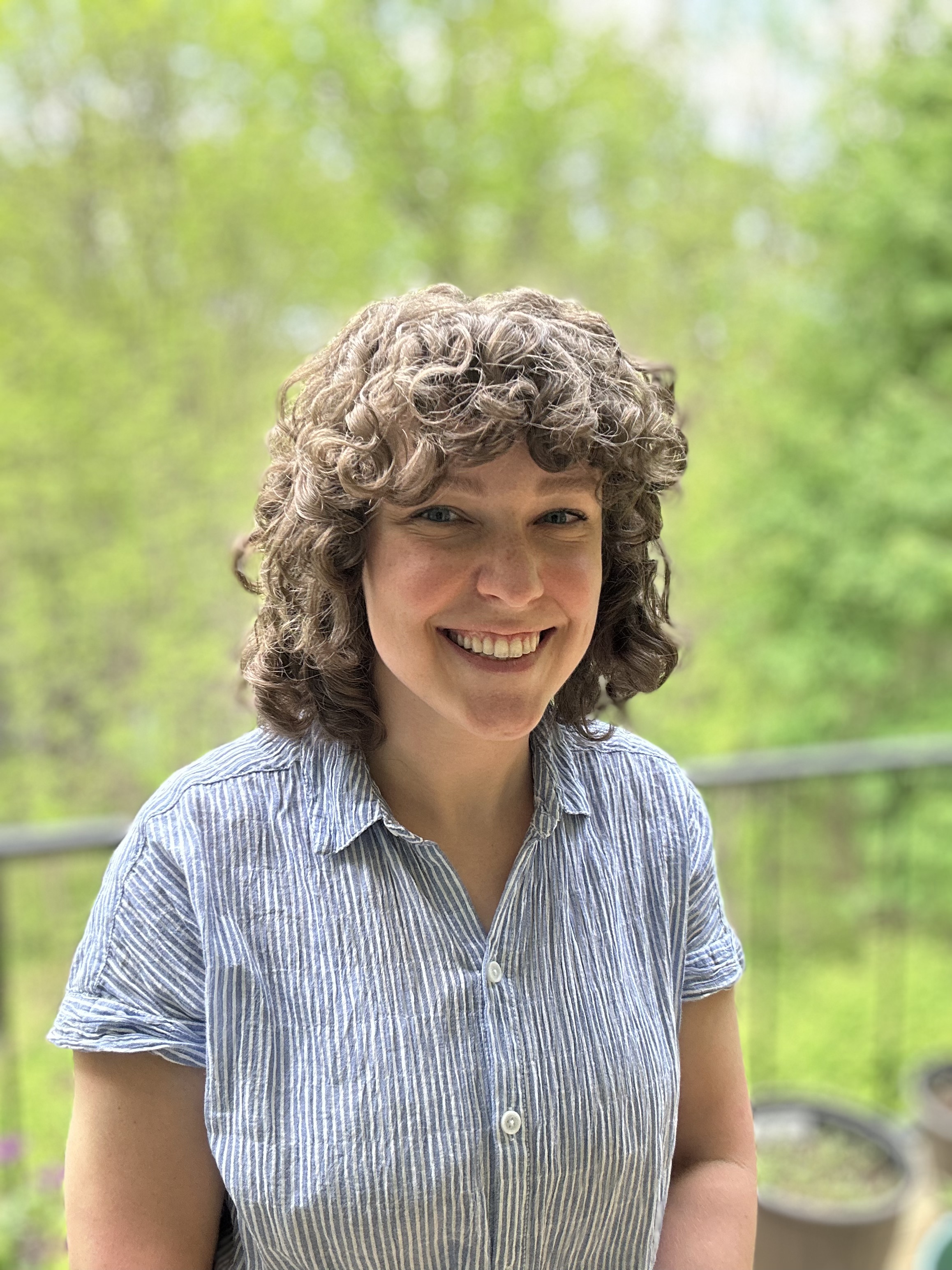
Sean Thompson, MS, MPH, RD, LDN
Registered Dietitian, Nourish
“Based preloads can be a practical tool for bariatric patients who struggle with portion control,” says Sean Thompson, a Northampton-based dietitian with a 4.99-star rating across 385+ reviews. “But I always tell clients: the foundation is still protein-first meals and mindful eating. Think of the gelatin trick as training wheels, not the whole bike. And if you have kidney concerns, check with your doctor — excessive gelatin can be protein overkill.”
Sean specializes in accessible, evidence-based nutrition for individuals with disabilities and those navigating post-surgical diets. She holds dual master's degrees from Tufts University and approaches care without a weight-centric lens.
