Is The Internet Right About Baking Soda Trick For Weight Loss?

Medical Disclaimer
This article is for informational purposes only and does not constitute medical advice. Always consult with a qualified healthcare provider before making changes to your health regimen, especially if you have underlying health conditions.

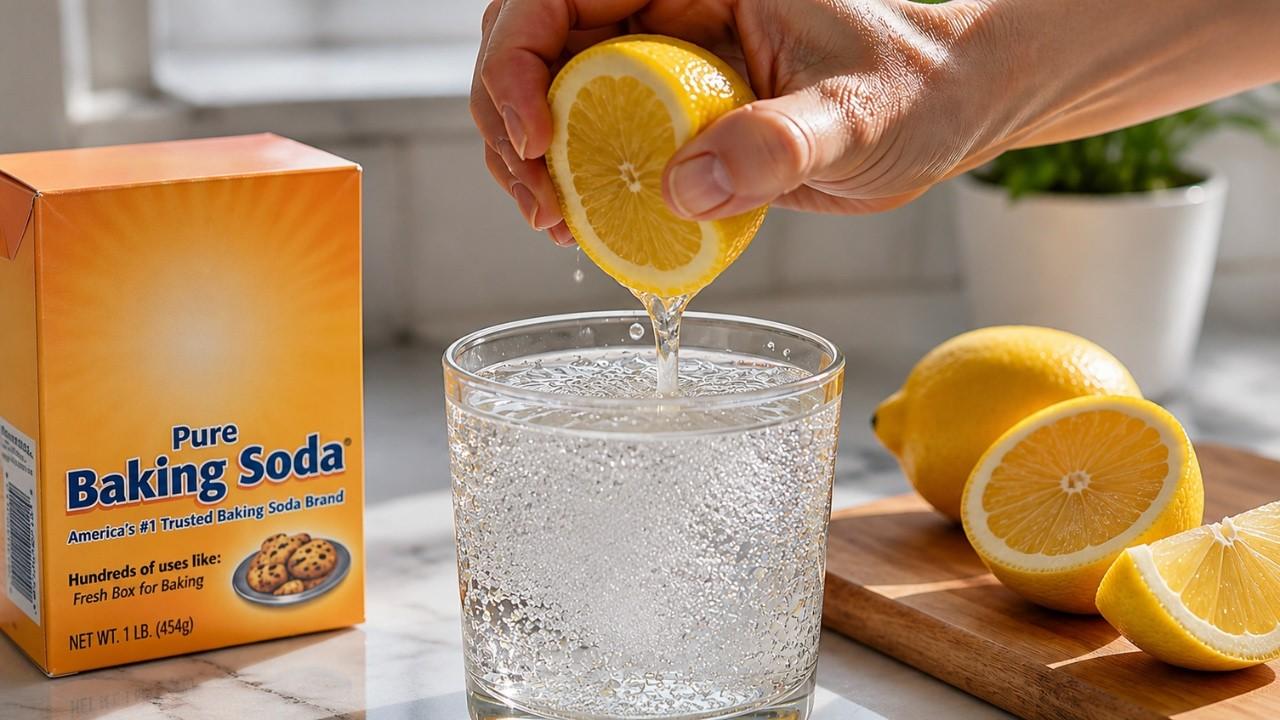
Learn how the Baking Soda Water Shot for Weight Loss is commonly prepared using a simple recipe with just two main ingredients.
In this video, you’ll discover the ingredients used in this popular Baking Soda Water Shot Recipe, how they’re combined, and the preparation process explained step by step.
The drink has gained attention online as a weight-loss trend, but it’s important to understand that there is not sufficient scientific evidence that baking soda itself causes weight loss. This video focuses on explaining the recipe and the information surrounding the trend.
FAQ
Q: What is the Baking Soda Water Shot?
A: It’s a drink made primarily with baking soda and water that has become popular online.
Q: How many ingredients are used?
A: This version uses two main ingredients, which are demonstrated in the video.
Q: Does baking soda help with weight loss?
A: There isn’t sufficient evidence that consuming baking soda directly causes weight loss.
#BakingSodaWaterShot #BakingSodaRecipe #WeightLoss #BakingSoda #Recipe

Sean Thompson, MS, MPH, RD, LDN
Registered Dietitian, Nourish
“Based preloads can be a practical tool for bariatric patients who struggle with portion control,” says Sean Thompson, a Northampton-based dietitian with a 4.99-star rating across 385+ reviews. “But I always tell clients: the foundation is still protein-first meals and mindful eating. Think of the gelatin trick as training wheels, not the whole bike. And if you have kidney concerns, check with your doctor — excessive gelatin can be protein overkill.”
Sean specializes in accessible, evidence-based nutrition for individuals with disabilities and those navigating post-surgical diets. She holds dual master's degrees from Tufts University and approaches care without a weight-centric lens.
