JellyFit Review: Does It Really Work? Honest Customer Feedback

Medical Disclaimer
This article is for informational purposes only and does not constitute medical advice. Always consult with a qualified healthcare provider before making changes to your health regimen, especially if you have underlying health conditions.
Is Jelly Fit Legit? Honest Weight Loss Supplement Review
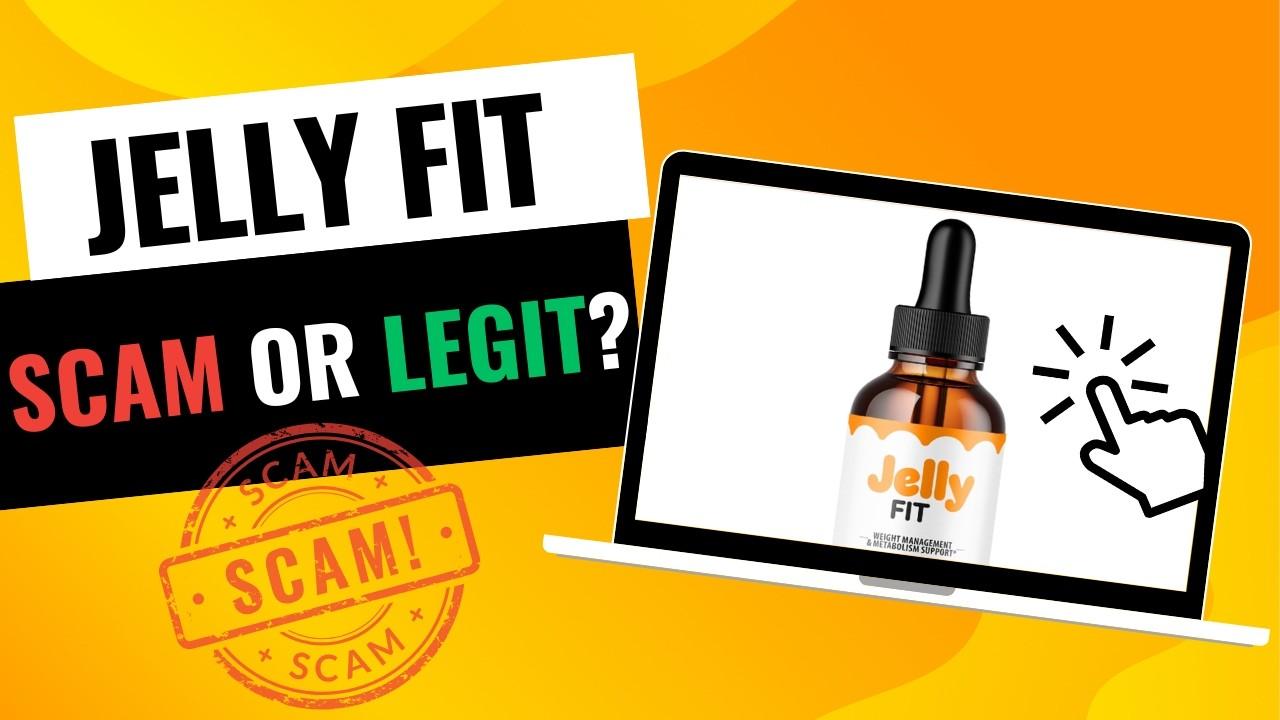
Thinking about buying Jelly Fit after seeing the viral weight-loss ads online? In this honest Jelly Fit review, we break down whether Jelly Fit is legit or a scam, how the supplement claims to work, and why many consumers are questioning the marketing behind these fat-burning products.
Jelly Fit is marketed as a weight-loss supplement designed to help reduce cravings, boost metabolism, support fat burning, and promote natural weight management. Depending on the version being advertised, Jelly Fit may be sold as gummies, liquid drops, or other supplement formats, often promoted through social media ads, dramatic transformation stories, and celebrity-style endorsements.
But does Jelly Fit actually work — or is it another overhyped weight-loss product?
In this video, we cover:
️ How Jelly Fit claims to work
️ Weight-loss gummies and drops explained
️ Metabolism and appetite-control claims reviewed
️ Customer reviews and user experiences
️ Fake celebrity endorsement concerns
️ AI-generated marketing and viral ads
️ Refund and recurring billing complaints
️ Is Jelly Fit worth buying?
Many people search online for:
“Jelly Fit review,”
“Is Jelly Fit legit?”,
“Jelly Fit scam,”
“Jelly Fit gummies review,” and
“Does Jelly Fit really work?”
Some customers report mild appetite suppression, improved energy levels, or gradual progress when using supplements like Jelly Fit alongside healthy eating and regular exercise. Others appreciate the convenience of gummies or liquid drops as part of a daily wellness routine.
However, there are also significant concerns surrounding the marketing. Reviewers and consumer watchdogs frequently warn that some weight-loss supplement campaigns rely on fake testimonials, misleading celebrity endorsements, AI-generated videos, countdown timers, and exaggerated claims that may not reflect typical results.
Health experts consistently emphasize that there is no miracle gummy, drop, or supplement capable of replacing proper nutrition, exercise, sleep, and sustainable lifestyle habits. While certain ingredients may provide limited support, dramatic weight-loss promises should always be viewed cautiously.
While Jelly Fit appears to be a real supplement product purchased by real consumers, the aggressive advertising, mixed customer feedback, and marketing red flags suggest buyers should do thorough research before purchasing.
Have you tried Jelly Fit gummies or drops? Share your honest experience in the comments below.
Like this video and subscribe for more honest supplement reviews, scam checks, weight-loss product breakdowns, and consumer warning videos.
Jelly Fit Weight Loss Review: Legit Supplement or Scam? – Video Chapters:
00:00 – Introduction
00:09 – What Is Jelly Fit?
00:17 – Weight Loss & Fat Burning Claims
00:28 – How Jelly Fit Claims to Work
00:35 – Scientific Evidence Behind the Claims
00:49 – Customer Reviews & Reported Benefits
01:00 – Ease of Use & Wellness Routine Appeal
01:07 – Major Red Flags & Scam Warnings
01:15 – Fake Testimonials & Celebrity Endorsements
01:23 – AI Ads & High-Pressure Marketing Tactics
01:31 – Refund Complaints & Recurring Charges
01:38 – Consumer Protection Expert Warnings
01:45 – What Health Experts Say About Weight Loss
01:54 – Lifestyle Changes vs Supplement Promises
02:03 – Jelly Fit Final Verdict
#JellyFit #WeightLossReview #JellyFitReview #FatBurner #LegitOrScam

Sean Thompson, MS, MPH, RD, LDN
Registered Dietitian, Nourish
“Based preloads can be a practical tool for bariatric patients who struggle with portion control,” says Sean Thompson, a Northampton-based dietitian with a 4.99-star rating across 385+ reviews. “But I always tell clients: the foundation is still protein-first meals and mindful eating. Think of the gelatin trick as training wheels, not the whole bike. And if you have kidney concerns, check with your doctor — excessive gelatin can be protein overkill.”
Sean specializes in accessible, evidence-based nutrition for individuals with disabilities and those navigating post-surgical diets. She holds dual master's degrees from Tufts University and approaches care without a weight-centric lens.
