Memopryl Customer Service Reviews: Contact, Support & Complaints


Medical Disclaimer
This article is for informational purposes only and does not constitute medical advice. Always consult with a qualified healthcare provider before making changes to your health regimen, especially if you have underlying health conditions.

Memory lapses, mental fog, and restless nights are not always simply “part of aging.” Evening food choices may be part of a broader plan for healthy sleep, adequate protein, omega-3 intake, and long-term brain health—but no single food can repair memory, prevent dementia, or replace medical care.
In this video, we count down five ordinary foods discussed in research on sleep, cognition, inflammation, and healthy aging: Montmorency tart cherry juice, plain Greek yogurt, walnuts, raw honey, and fatty fish such as salmon, sardines, or mackerel.
**You’ll learn:**
– What tart cherry research suggests about melatonin and sleep quality in older adults
– Why bedtime casein protein may support overnight protein balance and recovery, while direct memory evidence remains limited
– How walnuts provide alpha-linolenic acid and polyphenols and have been associated with cognitive performance
– Why detailed brain-repair and BDNF claims about raw honey remain preliminary and unconfirmed
– How fish intake and omega-3 fats are studied in relation to cognitive decline and brain health
– Why sleep supports memory consolidation and the brain’s glymphatic waste-clearance system
The evidence is not equally strong for all five foods. Tart cherry studies offer modest support for sleep-related benefits. Pre-sleep casein research mainly concerns overnight muscle protein synthesis and recovery, not guaranteed memory improvement. Walnut and fish findings include observational associations and do not prove dementia prevention. Several dramatic numbers and detailed mechanisms in the original script could not be confirmed from robust primary sources, so they should not be treated as established facts.
Food choices should be individualized. Diabetes, food allergies, kidney disease, swallowing problems, reflux, medication interactions, mercury guidance, and other health conditions may change what is appropriate. Do not change medication, begin supplements, or use this video to treat memory loss without speaking with a qualified healthcare professional.
## Scientific Sources Referenced
– **Pre-sleep Casein Protein Ingestion: New Paradigm in Post-Exercise Recovery — PMC review:** Pre-sleep protein may improve overnight protein balance and recovery; evidence is primarily about muscle, not direct memory repair.
– **Effects of a Tart Cherry Juice Beverage on the Sleep of Older Adults With Insomnia — PMC:** Reports modest sleep improvements in older adults with insomnia.
– **Tart Cherry Juice and Sleep: A Systematic Review:** Suggests possible improvements in sleep duration or quality, with a limited evidence base.
– **University of Delaware study summary — Today’s Geriatric Medicine:** Reports memory and cognitive-test improvements after Montmorency tart cherry juice in adults aged 65–73; this is secondary evidence.
– **Walnut Consumption and Cognition in Older Adults — PMC:** Discusses associations between walnut intake and cognitive performance, memory, and executive function.
– **Walnut Consumption and Cognitive Function in Aging — review/article:** Describes alpha-linolenic acid and polyphenols in walnuts and their possible relevance to brain health.
– **PubMed search results for raw honey, BDNF, and older adults:** The script’s specific raw-honey, pinocembrin, BDNF, and direct-memory claims could not be verified from a robust primary source.
– **Fish Intake Is Associated with Slower Cognitive Decline in Older Adults — PMC:** Reports an association between fish consumption and slower cognitive decline and verbal-memory decline in adults aged 65 and older.
– **The Glymphatic System and Sleep — Nature Reviews Neuroscience:** Reviews the relationship between sleep, brain maintenance, and waste clearance.
– **Sleep and Older Adults — U.S. National Institute on Aging:** Explains how sleep affects memory, brain function, and overall health.
**Disclaimer:** This video is for educational and informational purposes only. It is not medical advice, diagnosis, or treatment. Always consult a qualified healthcare professional before changing your diet, medication, supplements, exercise, or sleep routine.
#Memory #BrainHealth #HealthyAging #SeniorHealth #NutritionAfter60 #SleepAndMemory #CognitiveHealth #GoldenHorizonLife
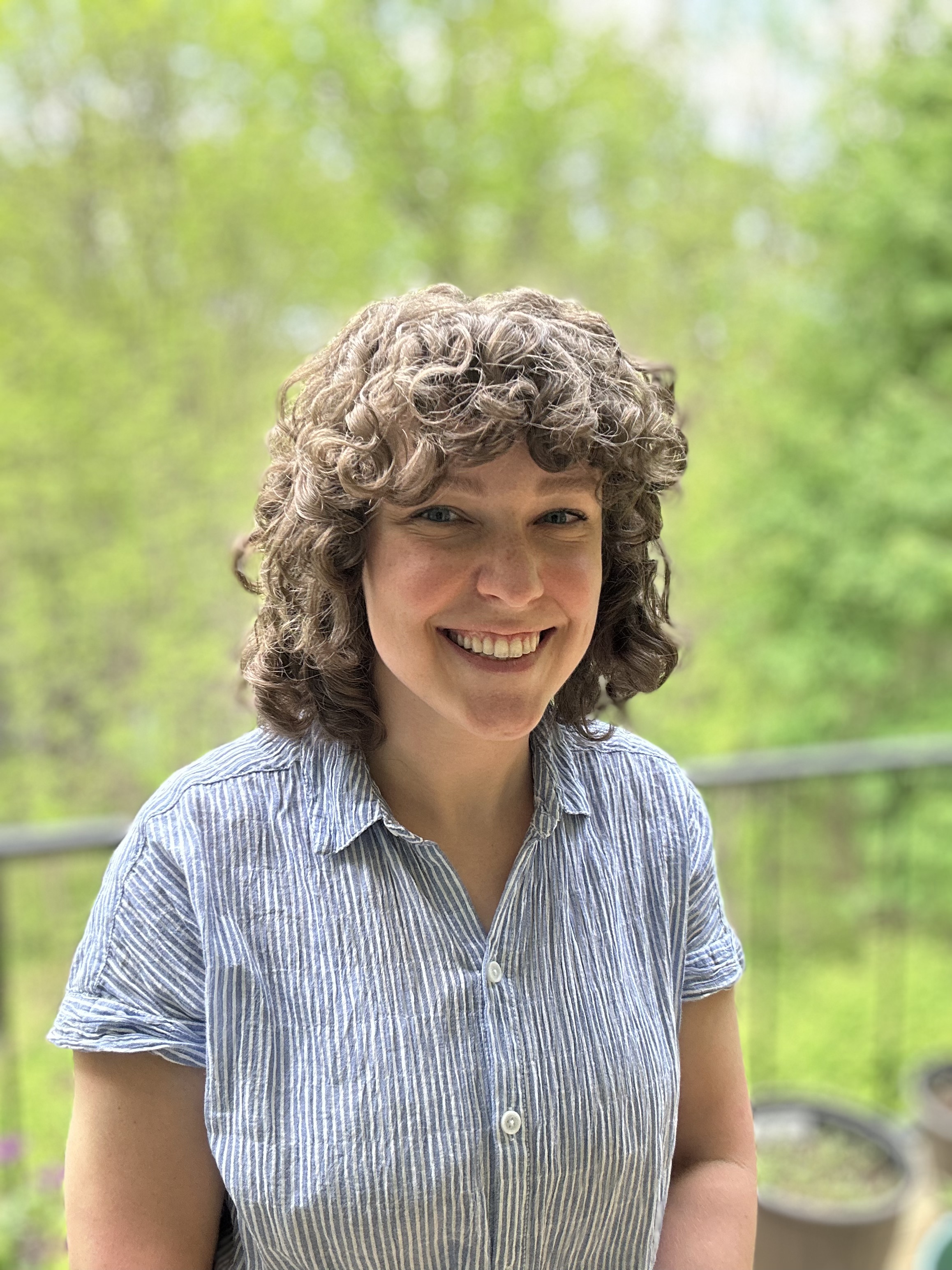
Sean Thompson, MS, MPH, RD, LDN
Registered Dietitian, Nourish
“Based preloads can be a practical tool for bariatric patients who struggle with portion control,” says Sean Thompson, a Northampton-based dietitian with a 4.99-star rating across 385+ reviews. “But I always tell clients: the foundation is still protein-first meals and mindful eating. Think of the gelatin trick as training wheels, not the whole bike. And if you have kidney concerns, check with your doctor — excessive gelatin can be protein overkill.”
Sean specializes in accessible, evidence-based nutrition for individuals with disabilities and those navigating post-surgical diets. She holds dual master's degrees from Tufts University and approaches care without a weight-centric lens.
