Nervolyn Reviews: Why This Nerve Support Formula Is Suddenly Trending Online

Medical Disclaimer
This article is for informational purposes only and does not constitute medical advice. Always consult with a qualified healthcare provider before making changes to your health regimen, especially if you have underlying health conditions.
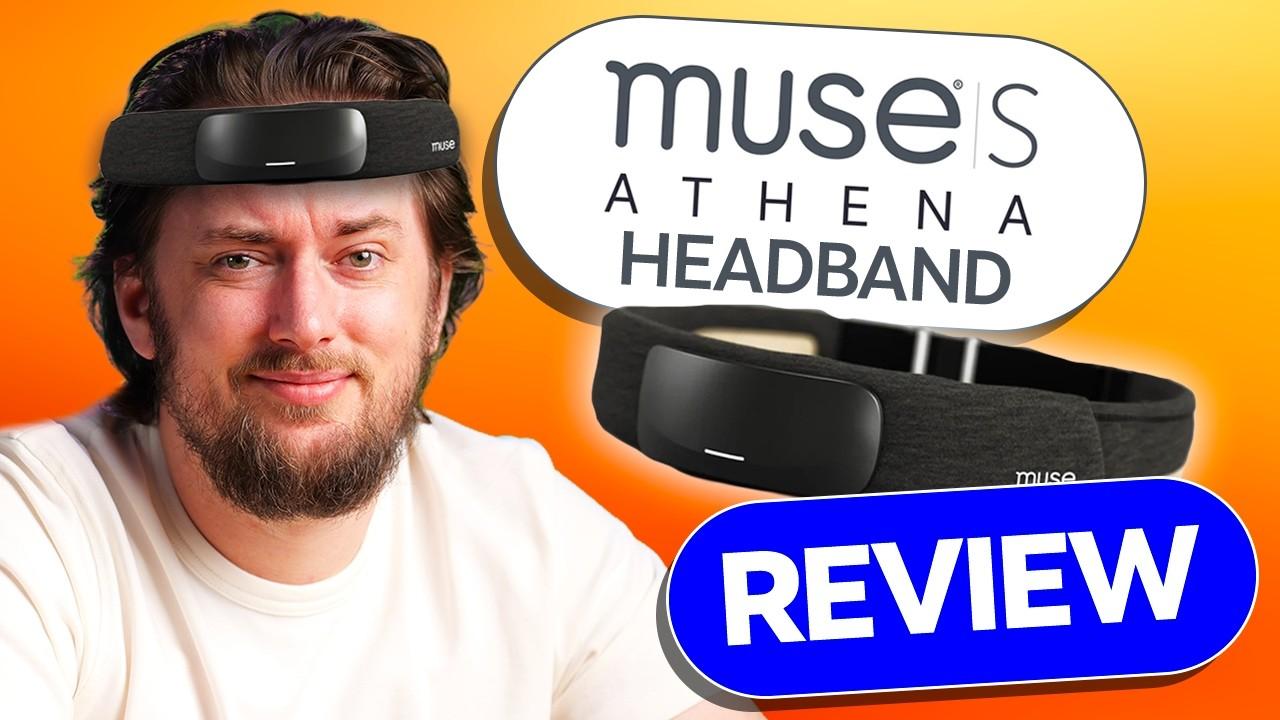
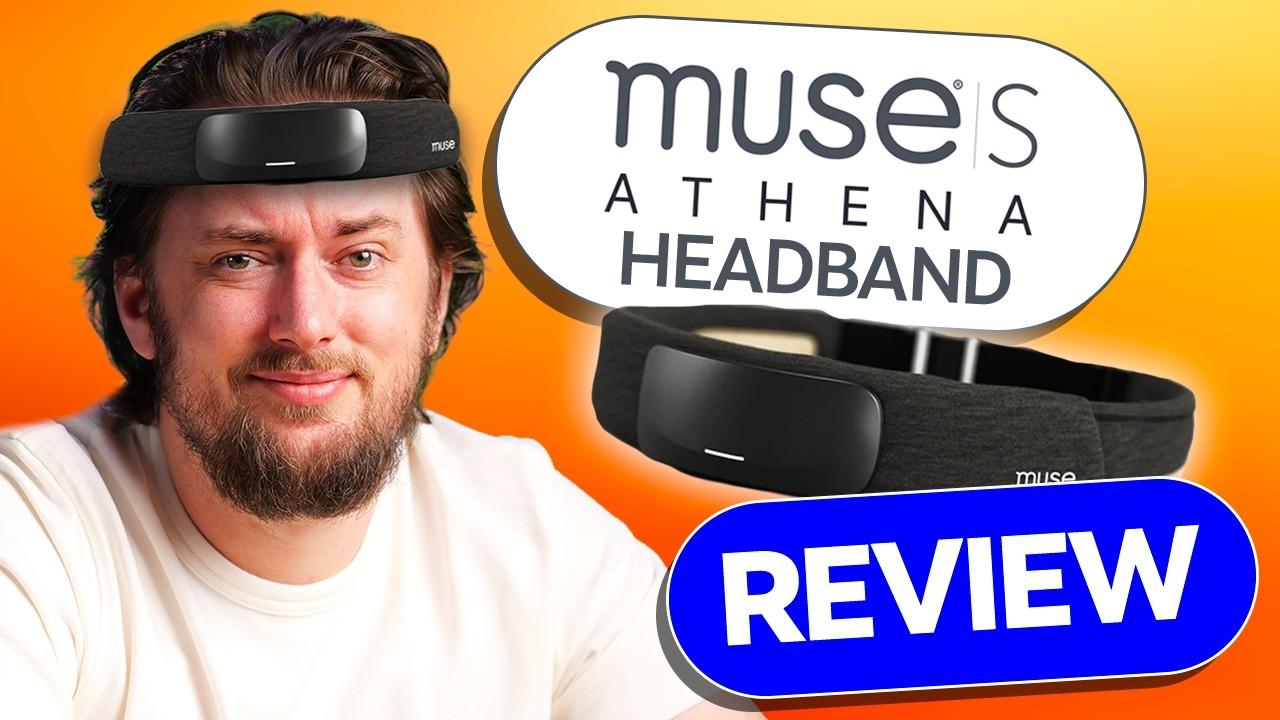
Kick this Muse S Athena review with the biggest discount!
Muse S Athena – Get 15% OFF – discount is already applied ️
Better sleep, focus and reading brain waves? It’s what Muse S Athena claims to do, but is it legit or just another overhyped product?
–––––––––––––––––––––––––––––
00:00 Intro
00:52 What is the Muse Athena?
02:35 The four sensor types
03:56 Credibility
04:30 Specs
05:12 The App experience
06:30 Nighttime sessions
07:33 Free vs. Premium
08:30 Final verdict
–––––––––––––––––––––––––––––
#cooltechzone #musesathenareview #musesathena #muse #braintraining #meditation #braintracking #sleeptracking #focustraining #neurofeedback
Affiliate Disclaimer:
We are affiliated but not sponsored by any service provider. This means we may receive a small commission when you click on the provided links, however, our reviews are based on independent research and rigorous fact-checking. CoolTechZone is owned by Mediatech, whose investors are the founders of Nord Security, whose products and services we may review.
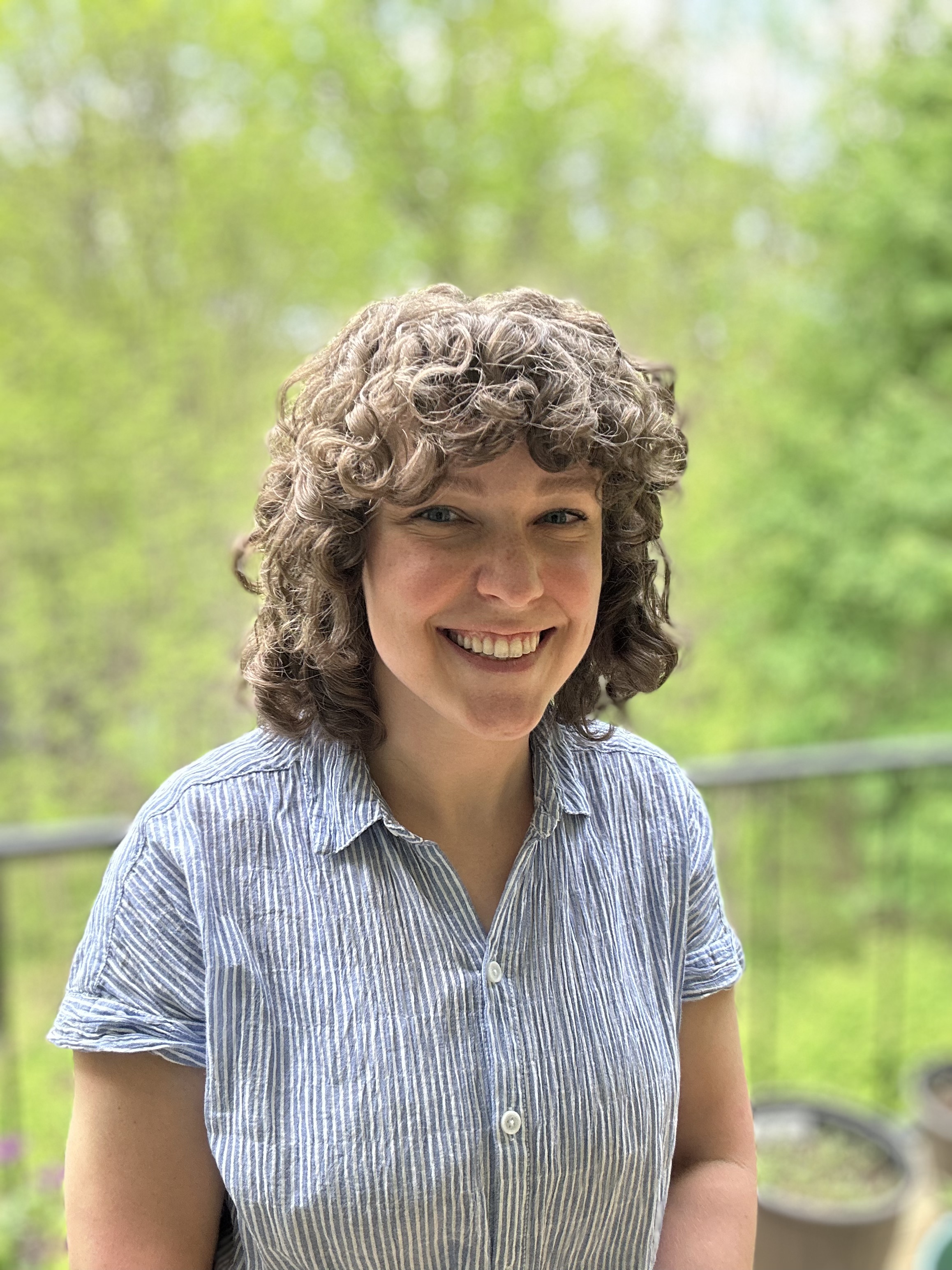
Sean Thompson, MS, MPH, RD, LDN
Registered Dietitian, Nourish
“Based preloads can be a practical tool for bariatric patients who struggle with portion control,” says Sean Thompson, a Northampton-based dietitian with a 4.99-star rating across 385+ reviews. “But I always tell clients: the foundation is still protein-first meals and mindful eating. Think of the gelatin trick as training wheels, not the whole bike. And if you have kidney concerns, check with your doctor — excessive gelatin can be protein overkill.”
Sean specializes in accessible, evidence-based nutrition for individuals with disabilities and those navigating post-surgical diets. She holds dual master's degrees from Tufts University and approaches care without a weight-centric lens.
