Neuro Mind Pro Review: Real Customer Experiences

Medical Disclaimer
This article is for informational purposes only and does not constitute medical advice. Always consult with a qualified healthcare provider before making changes to your health regimen, especially if you have underlying health conditions.
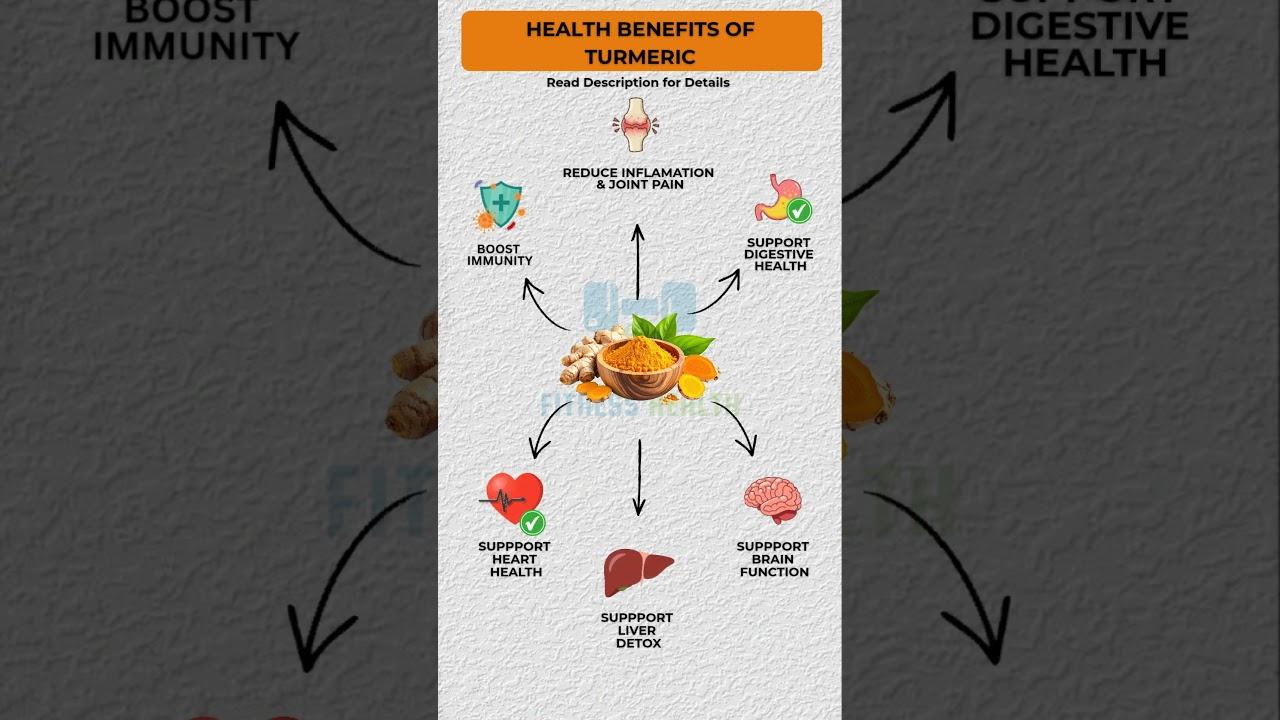
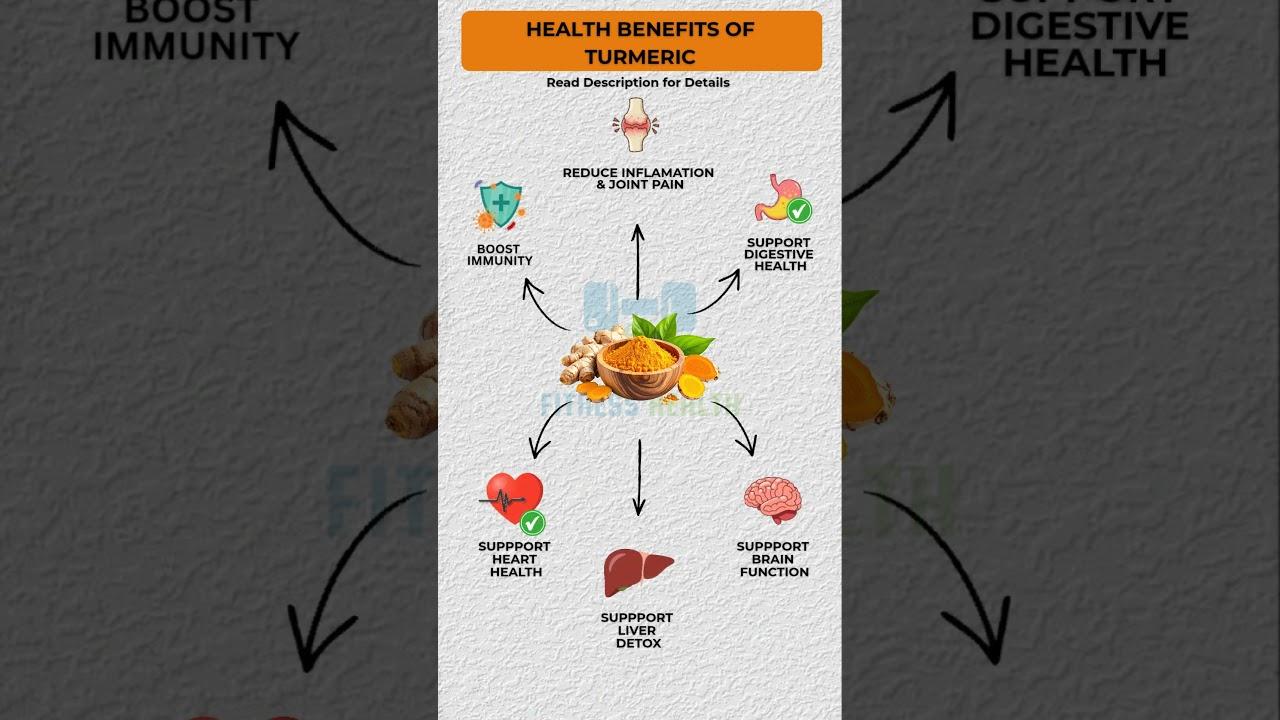
FOOD AS MEDICINE | HEALTH BENEFITS OF TURMERIC
Turmeric (हल्दी) contains several compounds, with curcumin being its best-studied bioactive component. Research suggests that curcumin has antioxidant and anti-inflammatory properties, but most clinical research has studied curcumin extracts/supplements, not the small amounts of turmeric normally used in cooking.
1. Joint Health & Inflammation
Curcumin has been studied for inflammation and joint symptoms, particularly osteoarthritis. Some clinical trials and reviews suggest it may help reduce pain or improve joint function in some people. However, the evidence is not strong enough to consider turmeric a treatment or replacement for prescribed medication.
2. Digestive Health
Curcumin/turmeric has been investigated for several digestive conditions, including dyspepsia and inflammatory bowel disorders. Some studies report potential benefits, but the evidence is mixed and many studies have methodological limitations. So, it is more accurate to say turmeric may support digestive health rather than claiming it treats digestive problems.
️ 3. Heart Health
Research on curcumin supplementation has found possible improvements in some cardiovascular markers, including endothelial function and certain metabolic/inflammatory markers. However, this does not mean turmeric prevents heart disease or replaces heart-health treatments. A healthy diet, physical activity, blood-pressure control and other established measures remain much more important.
4. Brain Function
Curcumin has been studied for cognition and brain health. Some systematic reviews have reported possible improvements in specific cognitive areas such as working memory, but results across studies are inconsistent and the overall clinical evidence remains limited. More high-quality research is needed.
️ 5. Immune Health
Curcumin has demonstrated immunomodulatory effects in laboratory and experimental research. However, this does not justify saying that turmeric “boosts immunity” or prevents infections. Human evidence is still limited, so “contains compounds being studied for immune effects” is a more accurate description.

Sean Thompson, MS, MPH, RD, LDN
Registered Dietitian, Nourish
“Based preloads can be a practical tool for bariatric patients who struggle with portion control,” says Sean Thompson, a Northampton-based dietitian with a 4.99-star rating across 385+ reviews. “But I always tell clients: the foundation is still protein-first meals and mindful eating. Think of the gelatin trick as training wheels, not the whole bike. And if you have kidney concerns, check with your doctor — excessive gelatin can be protein overkill.”
Sean specializes in accessible, evidence-based nutrition for individuals with disabilities and those navigating post-surgical diets. She holds dual master's degrees from Tufts University and approaches care without a weight-centric lens.
